Patrimônio Prospectivo: Arquitetura e Comunidade
From Babies to the Neighborhood Dog
- Date
- 2026
- Location
- Praia Grande, Subúrbio, Bahia, Brazil
Curatorial text
A skatepark can transform a neighborhood in ways that have little to do with skateboarding. It changes the pace of daily life, gives people new reasons to gather, and brings together residents who might otherwise go about their lives without ever meeting. Skateboarding may be what the park was built for, but it is only part of what happens there.
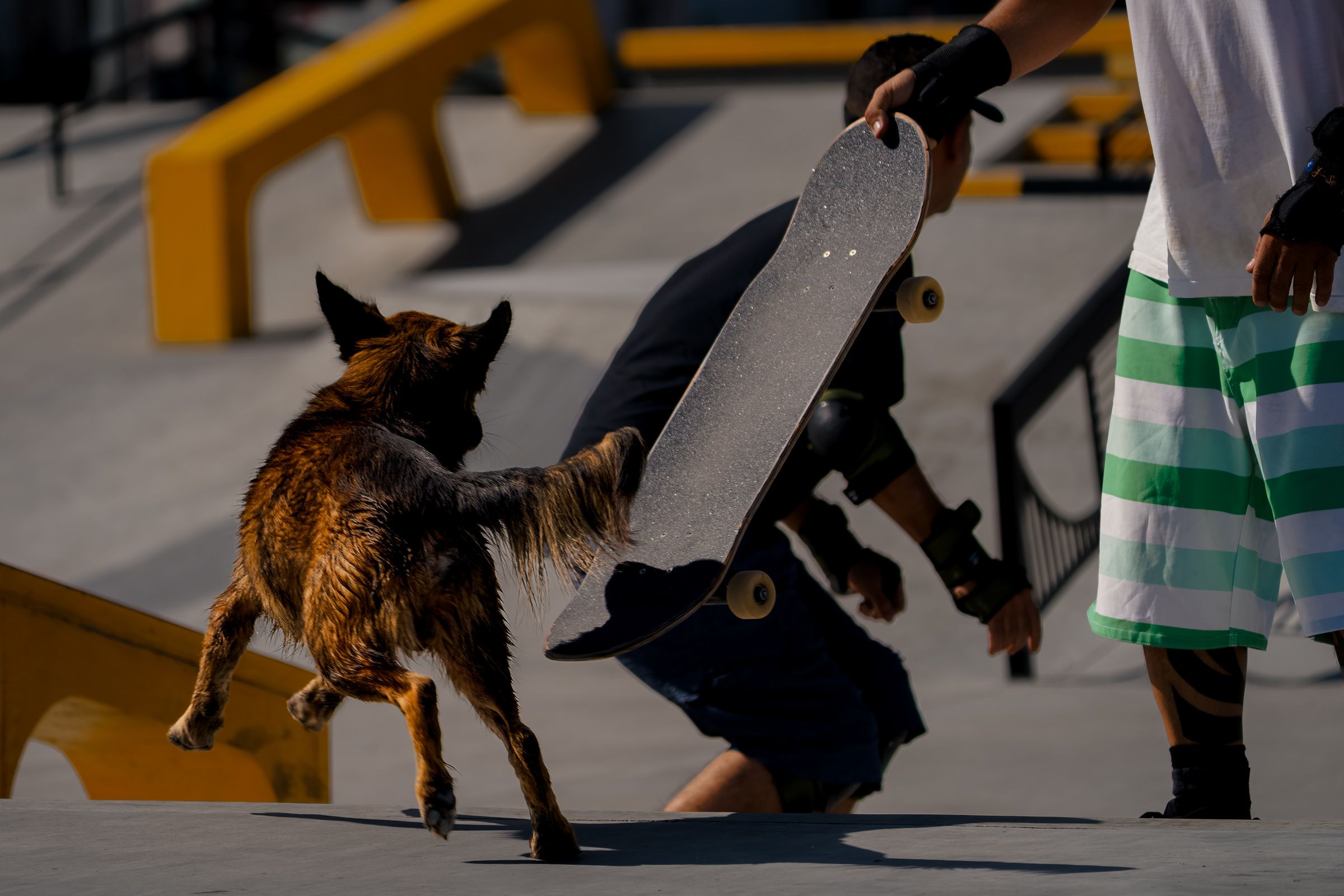
The youngest members of the community are part of it, too. Babies arrive with their families. Children watch their older siblings and cousins, becoming familiar with a culture they might never have encountered otherwise. Neighbors stop to chat. Friends meet after work. Street vendors find customers. Teenagers make friends, discover shared interests, and fall for one another. And then there’s the neighborhood mutt, with its unmistakable caramel-colored coat, wandering around as if the place had been built for it. It doesn’t need to know the first thing about skateboarding to feel at home.
None of this is likely to show up in the usual assessments of a public works project. Yet these everyday encounters can shape people’s lives in lasting ways. Learning to share a public space means accepting differences, respecting other people’s boundaries, and making room for everyone. These lessons come through being around one another, face to face. That matters all the more when so much of our social experience now unfolds on screens.
The design of a skatepark can bring people together, but what the place ultimately means depends on the people who use it. Residents are not simply the people a public project is meant to serve. Through their presence and everyday interactions, they give it a life and a social purpose that extend far beyond the original plans.
Counting skateboarders or measuring sporting achievements tells only part of the story. A skatepark’s value is also reflected in a child finding someone to look up to, a worker reconnecting with friends, a family discovering a place to spend time together, and a neighborhood dog enjoying the freedom to roam. A public project makes a real difference when it improves everyday life in ways no original brief could fully anticipate.