Patrimônio Prospectivo
Arquitetura e Comunidade
Architecture does not end when construction is finished. Buildings, public squares, skateparks, and infrastructure continue to evolve through the ways people use them, the relationships they foster, and the activities that reshape their original purpose. Built space takes on a public dimension when it becomes more than an arrangement of physical elements and begins to shape how people live together.
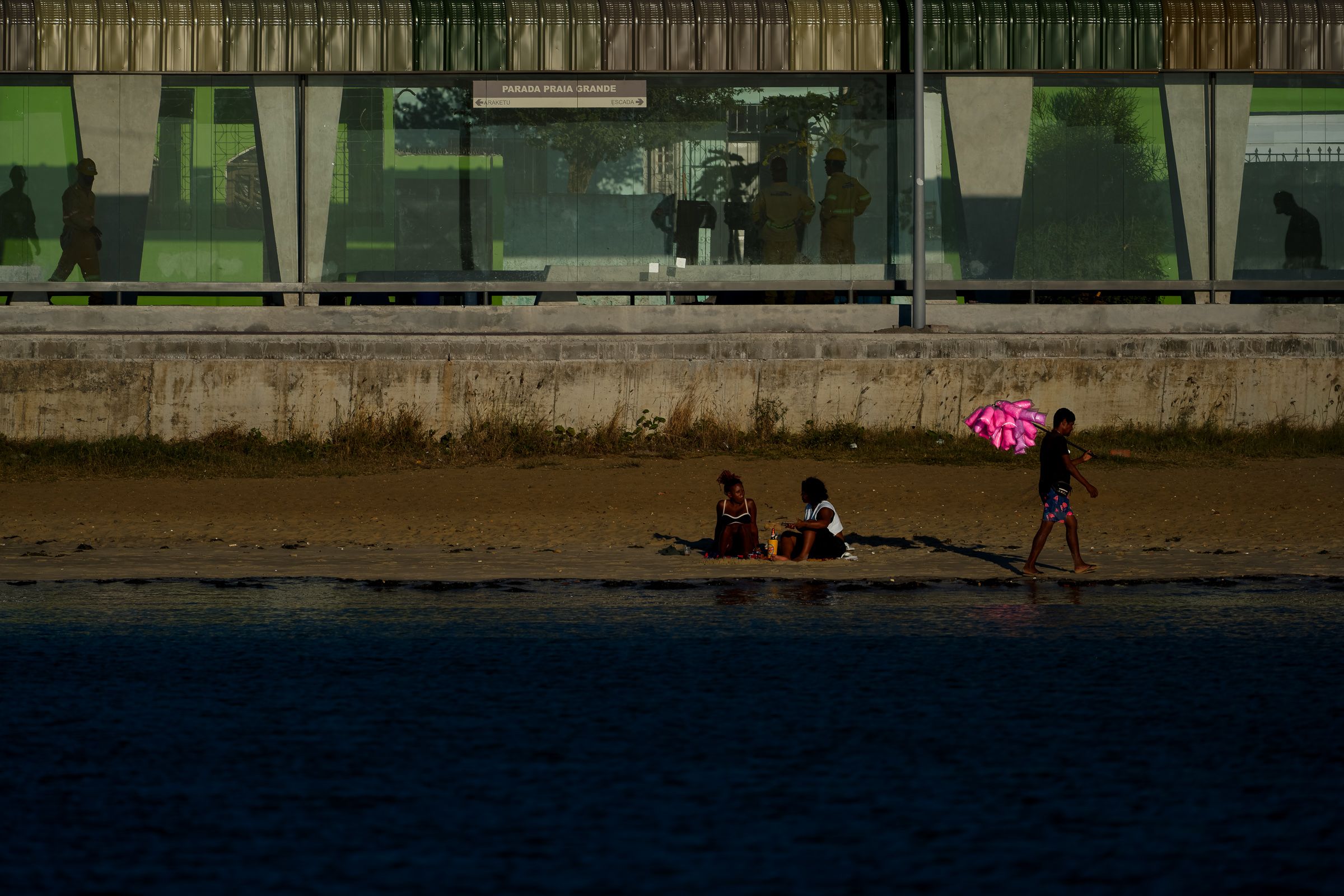
Along the route from Estação da Calçada to the Subúrbio Ferroviário, this dynamic unfolds at different scales. The station is part of Salvador’s history of mobility and offers a starting point for understanding how infrastructure, movement, and territory intersect. Farther along, in the Subúrbio, a facility purpose-built for skateboarding introduces another layer to the urban landscape. These are distinct places, physically apart yet connected by a transportation network and a shared urban history.
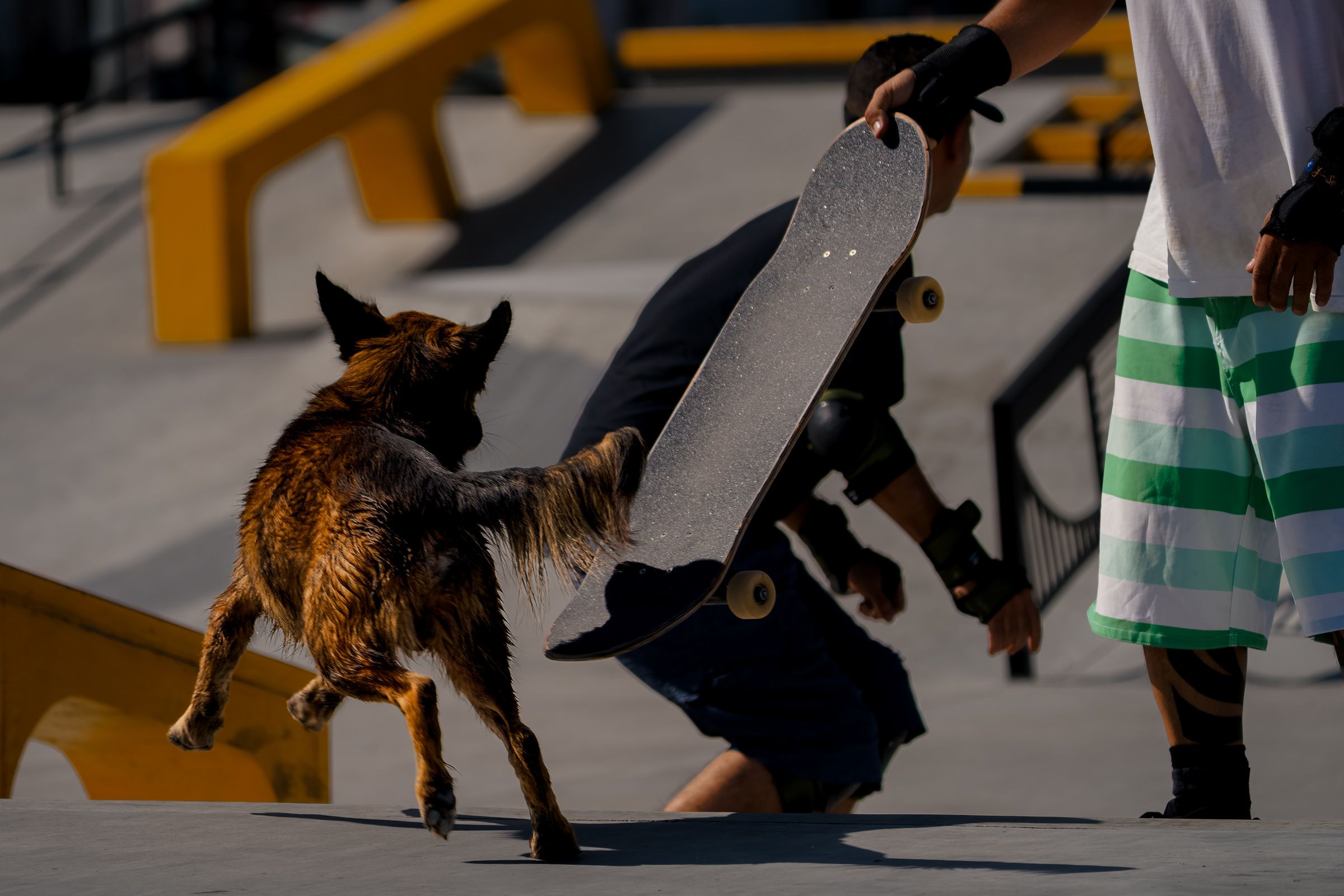
What makes the skatepark’s architecture compelling, then, is not simply its design, but what it makes possible. Its layout gives shape to movement, encounters, and shared time. The surfaces become familiar through repeated use, while a cultural practice takes on a visible, physical presence in the city. Architecture does not dictate how these relationships will unfold. It provides the material conditions in which people can establish them, make the space their own, and continually redefine its purpose.
This shift from design to everyday use also broadens what infrastructure means. Public investment, architectural design, mobility, sponsorship, cultural practice, and community ownership are not separate concerns. Together, they form a network through which the city creates public facilities while opening up new possibilities for social life and recognition.
A community does not emerge simply because a space exists. It takes shape through repeated encounters, shared knowledge, familiarity with a place, and the ability to give meaning to something that might otherwise be seen as merely functional. Architecture contributes to this process by giving those relationships a physical setting, a scale, and a lasting presence.
From the station to the route and on to the skatepark, the city can be understood as a succession of places whose meaning grows out of the relationship between use and permanence. Patrimônio Prospectivo begins to take shape when these connections are no longer seen as temporary consequences of urban occupation, but as a shared experience capable of generating memory, belonging, and continuity.