Pantanal revealed exhibition: a territory's soul.
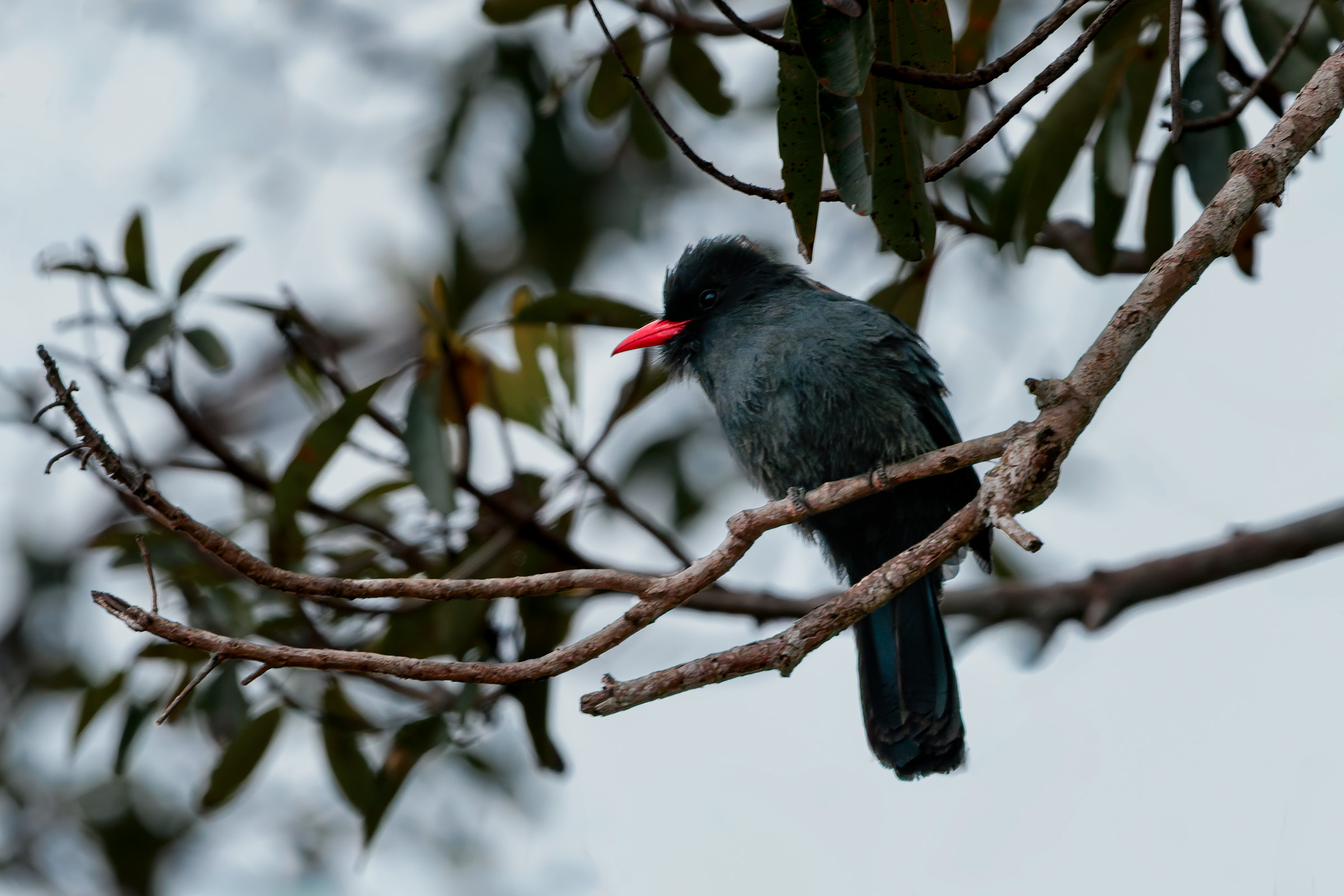
Black-fronted Nunbird
- Date
- 2026
- Location
- Porto Jofre, Pantanal, Brazil
Curatorial text
Commensalism. I’ve always found the word a little strange. Since high school, the definition has seemed straightforward: one species benefits from the relationship, while the other neither benefits nor suffers any harm. By human standards, there is something almost unfair about that arrangement.
The Black-fronted Nunbird seems perfectly comfortable with it. It may follow monkeys as they move through the forest, taking advantage of insects flushed from the vegetation by their movements. Studies have found that the bird’s foraging activity increases when uacaris are nearby. It also follows army ants, feeding on small animals disturbed by their advance.
None of them is doing the bird a favor. Monkeys do what monkeys do. Ants do what ants do. The bird simply notices what their movements set in motion and takes advantage of the opportunity. There is no exchange, agreement, or kindness. There is no harm to those whose activity creates the opportunity, either.
Perhaps what unsettles us is the idea that every relationship should be a two-way street. In nature, it doesn’t have to be. One species goes about its business; another finds something useful in what happens along the way.
The Black-fronted Nunbird simply takes advantage. And perhaps it is precisely that absence of guilt, so strange to us, that makes commensalism so fascinating.