Time
The ell's onomatopoeia
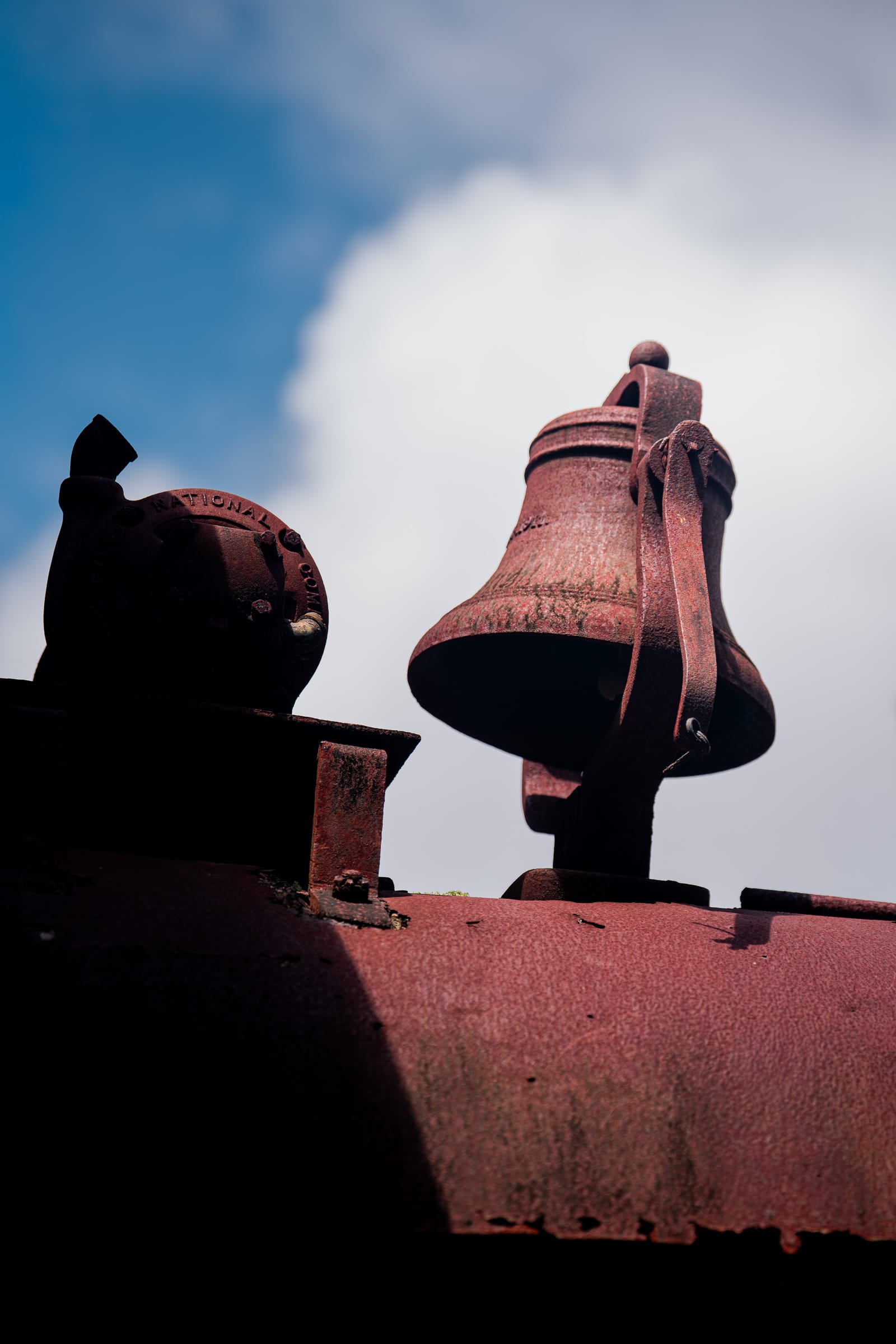
Curatorial text
A bell is meant to get our attention. Its sound can signal an arrival, a departure, the beginning of something, or the moment when it’s time to pause. For centuries, a single ring was enough to let a whole community know that a particular hour had come. Sound turned a passing moment into a shared point of reference.
Maybe that’s why we’ve invented so many ways to measure time. Calendars to organize our days, clocks to divide our hours, alarms to remind us of what we don’t want to forget. We’ve even filled everyday life with sounds: a phone ringing, an elevator chime, a doorbell, a station announcement. Each one demands a few seconds of our attention. None can actually stop what it was created to announce.
A sound can make us hurry so we don’t miss a train, wait for someone to arrive, or get up when we’d rather stay in bed. A brief signal can change what we’re doing. We’ve built an entire language of sounds to help us find our way through something that has never needed our systems or schedules to keep moving.
Maybe that’s the paradox. We spend so much of our lives trying not to lose track of time that we end up letting it slip away. We check the clock to see how much is left, listen for an alarm to tell us what comes next, and keep counting our days as though there will always be more.
In front of this old instrument, the rust introduces another measure. The years need no bells, clocks, or calendars to make themselves visible. They leave their own quiet mark on the iron.
Maybe time is precisely that: the one thing that never needed a sound to make itself known. We invented the bell. Time never needed us to call it.