Patrimônio Prospectivo
Prospecção
To think prospectively is to consider what can emerge from a structure before all of its possibilities can be known. A public facility does more than serve the purpose for which it was designed. Once people begin to use it, it can generate connections, movement, opportunities, and new forms of belonging.
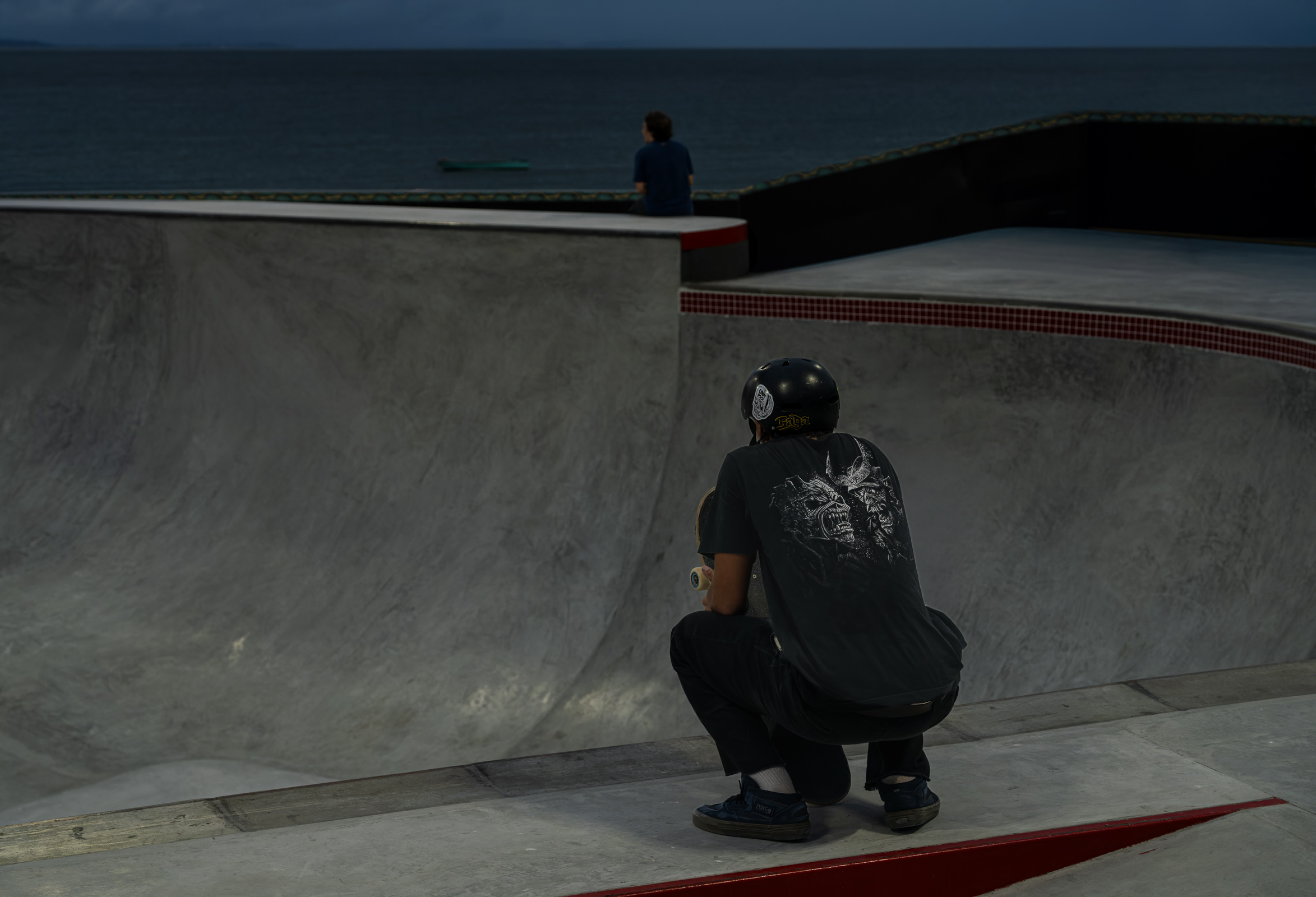
A skatepark may be built for an athlete who trains there every day, but its presence reaches far beyond the skaters themselves. It is there in the mother who accompanies her child, the aunt who finds an opportunity to sell snacks, the neighbor who stops to watch, the person who comes from another part of the city to experience the space, the local businesses that benefit from the increased foot traffic, and the friendships that develop among people who might otherwise never have had a reason to meet.
The structure changes the territory by changing its ability to bring people together.
That is why prospective impact is not limited to what happens on the skatepark itself, but extends to everything that can happen around it. A physical investment creates movement. Movement creates encounters. Encounters create relationships. And from those relationships can come jobs, income, community, recognition, and possibilities that were never part of the original plan.
The athlete remains part of this equation. If a great competitor emerges from this environment, perhaps even an Olympic champion, all the better. But measuring the value of a public facility solely by the athletes it produces would be to imagine a far smaller outcome for an intervention capable of reaching an entire community.
What matters is what spreads outward.
A skatepark may be built from concrete, but its reach does not have to end there. People begin to occupy the space; others begin to move through it; others find a reason to stay, work, watch, participate, or simply be there.
This ability to generate consequences we cannot yet foresee is where prospective impact resides.
The future of a public structure may have less to do with what it was built to do than with everything its existence makes possible.