Inwardness
At the Lavagem de Amoreiras in Itaparica, devotion to Iemanjá and Oxum brings together religion, community, and a longstanding relationship with the waters. Candomblé has its own forms of worship and celebration, while the offering to Iemanjá is taken out to sea. Yet the collective nature of the occasion does not dictate a single way of experiencing it.
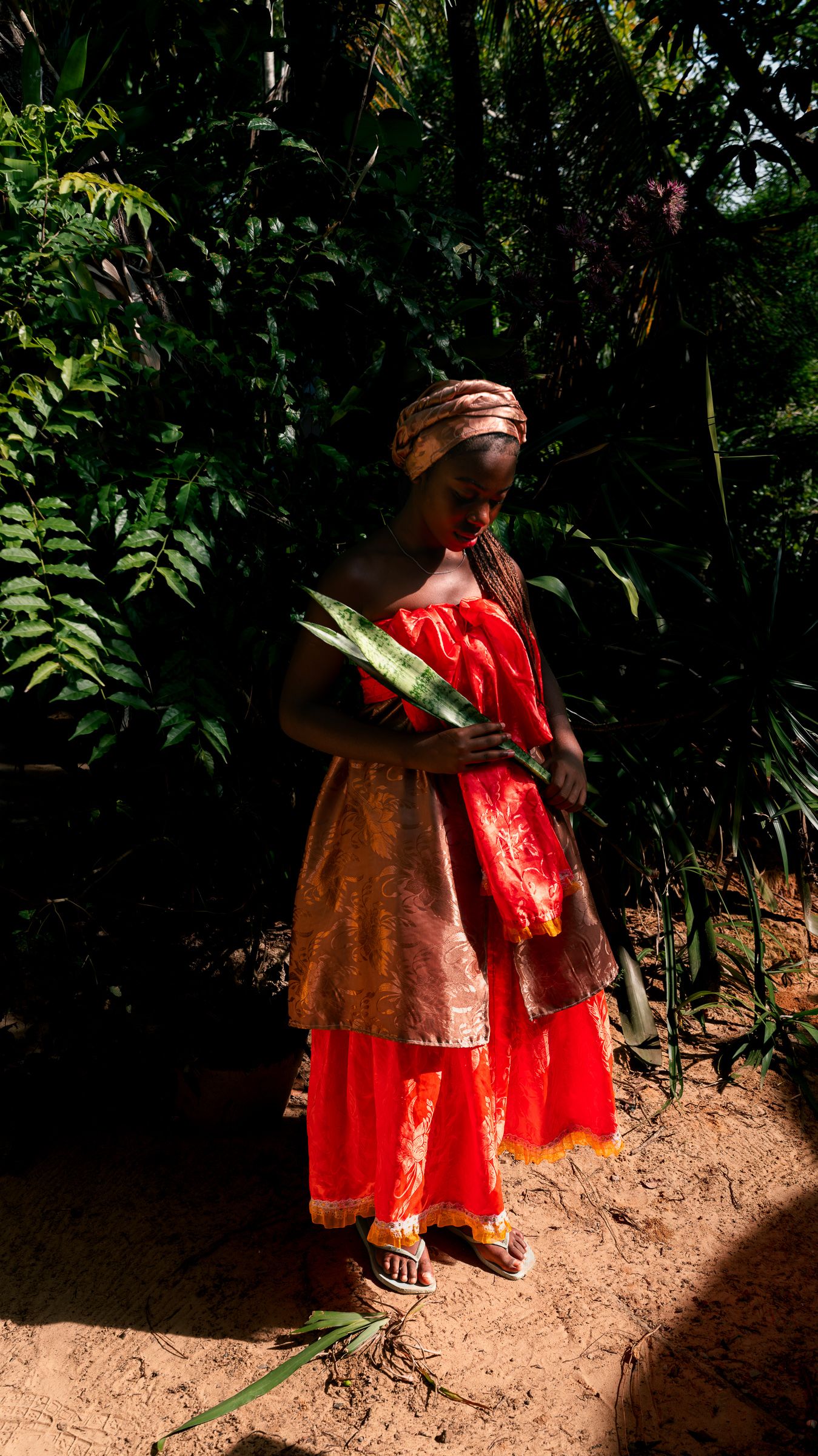
Inwardness names one such state of intensity. It refers to a concentrated form of listening, to turning down the noise of the outside world, and to directing one’s attention toward an experience that does not need to become a public expression. Within a religious celebration, this inward focus can be part of the ritual without requiring explanation or outward display. A shared experience can take many forms, and participation does not always require putting oneself on display.
There is no need to define what this concentration contains. Its reserve gains weight precisely because it does not fully disclose itself to the collective gaze. Silence does not need a predetermined explanation in order to be experienced. There are ways of relating to the sacred that do not depend on speech, demonstration, or an immediate response. Restraint can carry an intensity of its own without requiring us to assign it a particular meaning.
Any discussion of Candomblé calls for care. Iemanjá and Oxum have distinct religious foundations and should not be collapsed into a single, undifferentiated representation of the waters. The celebration at Amoreiras has its own history, rooted in the terreiros, the community, and the sea. Knowing this context deepens our understanding of the occasion without turning religious tradition into a key that settles its meaning once and for all.
Inwardness draws attention to a less apparent dimension of the celebration. Listening can itself be a form of participation, and concentration can belong to a communal ritual without becoming a display. Between celebration and silence, between what can be seen and what does not offer itself to the gaze, there is no need for a definitive answer. Inwardness reveals one of the celebration’s most radical qualities: listening without needing to become speech.